Category: Home Services

  • Why Reliable Chiller Service Matters for Oklahoma Businesses

    Why Reliable Chiller Service Matters for Oklahoma Businesses

    When a cooling system works properly, most people never think about it. That’s probably the highest compliment a chiller can get.

    But when temperatures start creeping upward, equipment begins making unfamiliar noises, or a production area can’t stay within its required temperature range, suddenly everybody notices. For businesses in Oklahoma, where summer heat can be intense and unpredictable, dependable cooling isn’t something to take for granted.

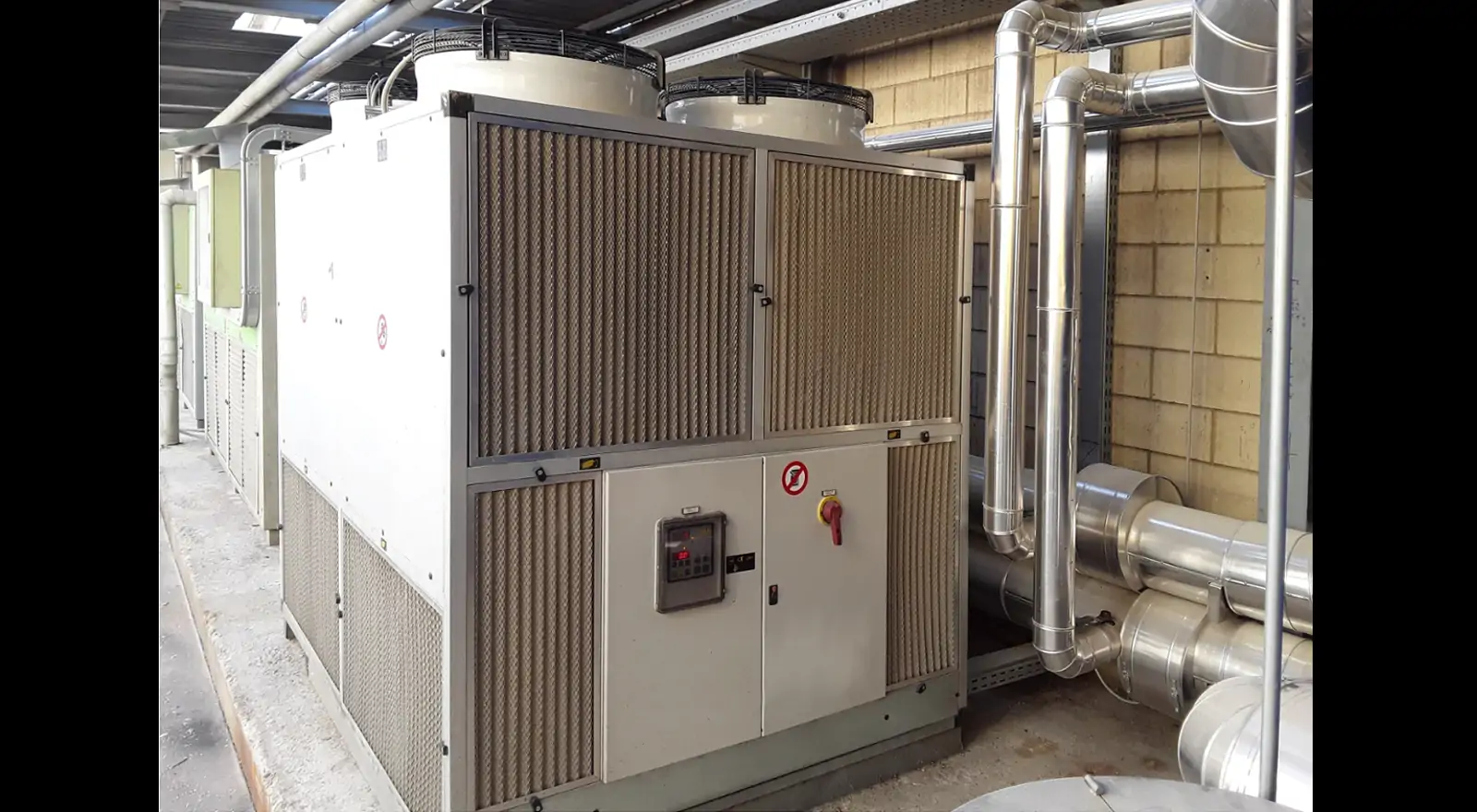
    Commercial buildings, food operations, manufacturing facilities and other industrial sites often depend on complex cooling equipment every day. A chiller may be running quietly somewhere behind the scenes, but its performance can affect employee comfort, product quality, equipment life and operating costs.

    The tricky part is that cooling problems don’t always begin with a dramatic failure. More often, there’s a gradual decline. The system runs longer. Energy bills rise. Temperatures become inconsistent. A strange vibration appears and then, eventually, the system refuses to cooperate.

    Knowing what to watch for can save a business from an unnecessarily expensive surprise.

    Oklahoma Weather Puts Cooling Equipment to the Test

    Oklahoma’s climate can be hard on mechanical systems. Hot summer temperatures mean cooling equipment may run for long stretches with very little downtime.

    That constant workload creates wear.

    A system that isn’t maintained properly may struggle to remove heat efficiently. Dirty coils, restricted airflow, worn components or control issues can all affect performance. And when equipment is already working hard because of outdoor temperatures, a relatively small problem can become much more noticeable.

    This is one reason businesses shouldn’t wait for complete failure before arranging an inspection.

    Why Chiller Performance Matters

    A chiller isn’t simply another air-conditioning component. In many commercial and industrial environments, it plays a central role in removing heat and maintaining controlled temperatures.

    If the system loses efficiency, the consequences can spread.

    Employees may become uncomfortable. Certain areas may develop temperature fluctuations. Production equipment could operate outside its preferred conditions. And higher energy consumption can quietly increase monthly operating costs.

    For businesses looking for chiller services in Oklahoma, the right provider should be able to assess the equipment as a complete system rather than simply replacing whichever component happens to fail first.

    Good diagnosis matters. So does experience with the type and size of chiller being serviced.

    Watch for Early Warning Signs

    Your equipment may tell you something is wrong before it actually breaks.

    Longer operating cycles are one possible clue. So are unusual sounds, unexpected vibrations or inconsistent temperatures.

    An unexplained increase in energy use can also be worth investigating. It doesn’t automatically mean the chiller is failing, of course. Weather, occupancy and operating schedules can all affect energy consumption.

    Still, when several changes appear at the same time, it’s sensible to have a professional take a look.

    The goal isn’t to panic over every little noise. It’s to notice when something has changed from normal.

    Commercial Refrigeration Has Different Demands

    Restaurants, supermarkets, food distributors and other businesses have their own cooling challenges.

    Commercial refrigeration equipment may operate almost continuously, particularly in busy food-service environments. Walk-in coolers, freezers, display cases and prep refrigerators all need consistent performance.

    A small temperature problem can become a serious inventory problem if it’s ignored.

    Door seals, condenser coils, fans and temperature controls all deserve attention. Staff should also avoid blocking vents or packing storage areas so tightly that air cannot circulate properly.

    The everyday habits of employees can have a surprising impact on refrigeration performance.

    Industrial Facilities Need More Than Basic Cooling

    In manufacturing and processing environments, cooling requirements can become considerably more specialized.

    Certain industrial processes generate large amounts of heat and may require controlled temperatures to keep equipment operating correctly. In these settings, an HVAC or chiller problem can affect production rather than simply making a building uncomfortable.

    That raises the stakes.

    Downtime can mean missed production targets, delayed orders and additional labor costs. For some businesses, even a relatively short interruption can have a noticeable financial impact.

    That’s why industrial cooling systems should be approached with careful planning rather than emergency repairs alone.

    Maintenance Is Less Exciting, But More Predictable

    Nobody gets particularly excited about scheduling maintenance.

    There’s no dramatic before-and-after moment. The equipment just keeps working.

    And that’s exactly the point.

    Routine maintenance can help technicians identify dirty coils, worn belts, electrical issues, refrigerant-related concerns and other developing problems. It also creates an opportunity to evaluate system performance before peak cooling demand arrives.

    Businesses can then plan repairs around their schedules instead of dealing with a sudden failure in the middle of a busy period.

    For equipment that represents a significant investment, that predictability has real value.

    Efficiency Isn’t Just About the Equipment

    Buying an efficient chiller doesn’t guarantee low operating costs.

    Installation quality, maintenance, building conditions and operating practices all matter.

    For example, a system may be technically efficient but still consume excessive energy if coils are dirty or airflow is restricted. Poor insulation or unnecessary heat entering a cooled space can also increase the workload.

    Regular monitoring can help identify these issues.

    Businesses should look at energy consumption over time rather than focusing on one unusually high bill. Patterns are often more informative than isolated numbers.

    Repair or Replacement?

    Eventually, every mechanical system reaches a point where replacement becomes worth considering.

    But deciding when that point has arrived isn’t always straightforward.

    An older chiller with repeated failures and rising operating costs may be difficult to justify repairing indefinitely. On the other hand, a system with plenty of useful life left may only need a relatively minor component replaced.

    Consider the repair cost, equipment age, maintenance history, energy efficiency and expected remaining lifespan.

    A good service professional should explain those factors and let the business make an informed decision. You don’t necessarily need the newest system. You need the system that makes financial and operational sense.

    Choosing a Chiller Service Provider

    The contractor you choose matters almost as much as the equipment itself.

    Look for technicians with experience working on commercial and industrial systems similar to yours. Ask about qualifications, maintenance programs, emergency support and warranties.

    Communication is another big one.

    Can they explain the problem without drowning you in technical jargon? Do they provide clear estimates? Do they tell you when a repair is necessary and when it’s optional?

    Those details build trust.

    It’s also worth asking whether the company keeps service records. Knowing what was repaired or inspected previously can make future troubleshooting faster and more accurate.

    Don’t Wait for the Hottest Day

    There is a predictable pattern in cooling service: problems seem to appear when demand is highest.

    That’s not always bad luck. Equipment that has been struggling quietly for months may finally reach its limit when outdoor temperatures climb.

    Scheduling an inspection before peak cooling season can uncover issues while there is still time to address them.

    It also gives businesses a chance to budget for larger repairs or replacement rather than making a rushed decision during an emergency.

    A Little Planning Goes a Long Way

    Cooling systems aren’t usually the first thing business owners think about when planning for the future. There are customers, employees, inventory, payroll and a hundred other things competing for attention.

    Still, reliable cooling supports all of those things.

    Whether a facility needs temperature control for people, products or equipment, the basic principle is the same: don’t wait until failure forces the conversation.

    Pay attention to warning signs. Keep equipment clean and accessible. Schedule appropriate maintenance. Work with professionals who understand the system you’re operating.

    No chiller lasts forever, and no maintenance plan can prevent every possible breakdown. But thoughtful care can reduce avoidable failures, improve efficiency and give businesses more control over their operating costs.

    In Oklahoma’s demanding climate, that’s not just good maintenance.

    It’s good business.
  • Refreshing Your Water Treatment Setup: When Trade-Ins, Fill-Up Stations, and Expert Care Matter

    Refreshing Your Water Treatment Setup: When Trade-Ins, Fill-Up Stations, and Expert Care Matter

    Water treatment equipment is easy to overlook when it’s doing its job. You turn on the tap, enjoy better-tasting water, and carry on with your day. But even dependable systems don’t last forever. Filters become less effective, components wear out, and older equipment may no longer match your household’s changing needs. At some point, repair may not be the only option worth considering.

    Updating a water treatment setup can improve convenience, efficiency, and water quality. For some homeowners, that means replacing outdated equipment. For others, it may involve using a local water fill-up station or arranging professional service to keep an existing system working properly. The right choice depends on the condition of the equipment, the quality of the incoming water, and the needs of the household.

    Knowing When Your Water Treatment System Is Outdated

    Water treatment systems are built to last, but their performance can gradually decline. A softener that once handled household demand easily may struggle after a family grows or water usage increases. A filtration unit may also become less effective if its media is exhausted or if the water chemistry changes.

    Some warning signs are easy to notice. You might see hard water spots returning on dishes, detect an unusual taste or odor, or notice that soap no longer lathers as it once did. Reduced water pressure, frequent service problems, leaks, and rising maintenance costs are other reasons to take a closer look.

    Age alone doesn’t always mean a system must be replaced. However, if an older unit requires frequent repairs or uses outdated technology, replacing it may be more practical than continuing to invest in it. A professional evaluation can help determine whether a repair, component replacement, or complete upgrade makes the most sense.

    What Are System Trade-Ins and Upgrades?

    For homeowners considering new equipment, system trade-ins & upgrades can make the transition easier. A trade-in program may allow an existing water softener, filter, or treatment unit to be replaced with a newer model while potentially reducing the upfront cost. The exact terms depend on the provider, the type of equipment, and its condition.

    An upgrade does not always mean choosing the largest or most advanced system available. It should mean selecting equipment that better fits the home’s actual water needs. For example, a household dealing mainly with hard water may need a more efficient softener, while a home experiencing chlorine taste may benefit from improved carbon filtration.

    In other situations, the water problem may have changed. A homeowner who originally installed a softener might later discover concerns involving iron, sulfur, sediment, or microorganisms. Adding a specialized filter or combining several treatment stages could provide more complete coverage than simply replacing the original unit with a similar model.

    Before agreeing to a trade-in, ask how the old equipment will be evaluated, whether removal is included, what warranty comes with the new system, and whether installation costs are separate. Clear answers can prevent surprises later.

    The Benefits of a Water Fill-Up Station

    Not every household needs to install a complete treatment system immediately. Some people live in apartments, rent their homes, travel frequently, or simply want access to treated drinking water without committing to new equipment. In these situations, a water fill-up station can be a convenient option.

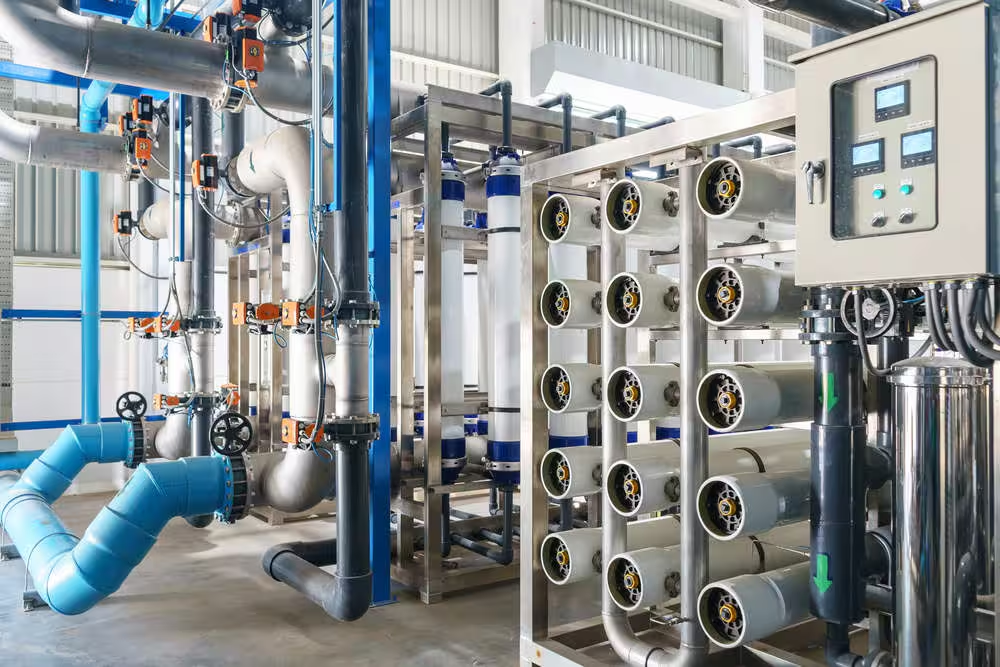
    Water fill-up stations allow customers to bring reusable containers and refill them with treated or purified water. Depending on the facility, the water may pass through several treatment stages, such as sediment filtration, carbon filtration, softening, reverse osmosis, or ultraviolet disinfection.

    This can be useful for drinking, cooking, preparing beverages, and filling larger containers for home use. It may also reduce reliance on single-use plastic bottles, especially for households that regularly purchase bottled water.

    Still, customers should pay attention to cleanliness and maintenance. A reputable fill-up station should have clear sanitation practices, regularly serviced equipment, and properly maintained dispensing areas. Containers should also be clean and suitable for storing drinking water. Even high-quality treated water can become contaminated if it is handled or stored improperly.

    Why Professional Water Care Still Matters

    Water treatment equipment can appear straightforward from the outside, but the internal components and water chemistry are often more complicated than they seem. A system may be installed correctly yet perform poorly because it is undersized, incorrectly programmed, or exposed to water conditions it was not designed to handle.

    This is where expert care becomes valuable. A trained water treatment professional can assess the water, inspect existing equipment, identify performance problems, and recommend solutions based on actual conditions. Instead of simply selling a replacement, a knowledgeable technician should explain why a particular system is appropriate.

    Professional care may include water testing, filter replacement, tank inspection, valve checks, system cleaning, pressure testing, and adjustments to regeneration settings. It can also help identify issues outside the treatment system, such as plumbing corrosion, water heater problems, or changes in the incoming supply.

    For complex concerns—especially those involving iron, sulfur, bacteria, nitrates, or persistent odors—professional evaluation is often more reliable than trying several products at random.

    Comparing Repair, Replacement, and Upgrade Options

    When a water treatment system begins to struggle, homeowners generally have three choices: repair the existing unit, replace it with a similar model, or upgrade to a more suitable system.

    Repair may be the best fit when the equipment is relatively new and the issue is limited to a worn valve, clogged filter, faulty sensor, or damaged connection. Replacement may be more sensible when the system is old, inefficient, or repeatedly breaking down.

    An upgrade becomes worth considering when household needs have changed or when the original system never fully addressed the water problem. For example, a basic softener may reduce hardness but do nothing for sulfur odor or sediment. A multi-stage system could be more appropriate if testing identifies several concerns.

    Cost matters, but it shouldn’t be the only factor. Consider operating expenses, replacement media, electricity use, salt consumption, maintenance requirements, warranty coverage, and expected service life. A cheaper unit may cost more over time if it needs frequent attention or fails to deliver consistent results.

    Making a Smart Long-Term Plan

    Before making a decision, start by identifying what is actually wrong with the water. Changes in taste, smell, color, or pressure should be investigated rather than treated with assumptions. Testing can help determine whether the issue involves minerals, sediment, disinfectants, microorganisms, or plumbing conditions.

    Next, review the current system’s age, maintenance history, and performance. If the unit has been neglected, a professional service visit may restore its function. If it is outdated or no longer suitable, ask about replacement and trade-in possibilities.

    For drinking water needs, a fill-up station may provide a useful short-term or ongoing option. For whole-home concerns, a properly selected treatment system may offer greater convenience and broader protection.

    A Fresh Start for Better Water

    Water treatment is not simply about buying equipment and forgetting about it. It involves making thoughtful decisions as water conditions, technology, and household needs change. Sometimes maintenance is enough. Sometimes a trade-in or upgrade is the more practical route. And in certain situations, a well-maintained water fill-up station can offer a simple way to access treated drinking water.

    The most important step is to avoid guessing. Test the water, understand the condition of your equipment, and seek knowledgeable guidance when the problem is complex. With the right combination of reliable technology and ongoing care, cleaner, better-tasting water can remain a dependable part of everyday life.

  • Choosing the Right Water Filtration System Starts With Knowing What Your Water Needs

    Choosing the Right Water Filtration System Starts With Knowing What Your Water Needs

    Water is one of those things that’s easy to ignore until it tastes strange, leaves spots on your glasses, or starts making your skin feel different after a shower. Most of us don’t spend much time thinking about what’s happening between the water utility, the pipes, and the glass sitting on the kitchen counter. We just expect the water to be clean and pleasant.

    And that’s reasonable.

    But not every water treatment system does the same job. Some improve taste and odor. Others target dissolved minerals. Some are designed for specific industrial or laboratory applications. Then there are systems that change the characteristics of water rather than simply filtering it.

    Choosing among them can feel a little overwhelming, especially when every product seems to promise better water. The smarter approach is to first understand your water, then choose technology that actually matches your needs.

    What Makes Water “Better”?

    The answer isn’t quite as simple as it sounds.

    For one household, better water might mean getting rid of a chlorine taste. For another, it could mean reducing hardness and the white scale that keeps appearing around faucets. Someone running a laboratory may have a completely different definition of water quality.

    This is why water testing is such a useful starting point. Testing can reveal characteristics such as hardness, pH, dissolved minerals, chlorine, sediment, and other substances that influence water quality.

    Without that information, buying treatment equipment is a bit like buying glasses without checking your prescription. You might get lucky, but it’s not the most sensible way to go about it.

    Understanding Alkaline and Ionized Water

    There’s plenty of conversation around alkaline/ionized water, particularly among people interested in wellness and alternative approaches to hydration.

    Ionized water is produced by passing water through an electrolysis process that can alter its pH. Alkaline water has a higher pH than neutral water, although the exact characteristics depend on the equipment and source water.

    It’s important to separate established water-treatment benefits from broader health claims sometimes made in advertising. Drinking alkaline water isn’t a substitute for a balanced diet, medical care, or ordinary safe-water practices.

    For homeowners considering an ionization system, the practical questions are often more useful: How does the unit treat the incoming water? What maintenance does it require? What happens if the source water is already hard or contains unwanted contaminants?

    Those answers matter much more than a flashy marketing slogan.

    Activated Carbon: Simple Technology That Still Has a Place

    Sometimes old-fashioned technology sticks around because it works.

    Activated carbon filtration is a good example. activated carbon water filtration is widely used to improve taste and odor and to reduce certain contaminants, depending on the carbon type, filter design, and contact time.

    You may already have some form of carbon filtration in your home without realizing it. Many drinking-water pitchers and under-sink filters use carbon-based media.

    The important catch is that carbon doesn’t remove everything.

    It isn’t a universal solution for every dissolved mineral or contaminant. A filter’s performance depends heavily on what it was designed to reduce. That’s why checking the manufacturer’s performance information is important rather than assuming “carbon” means the water is completely purified.

    Filter replacement matters, too. Once the media becomes exhausted, performance can decline. A forgotten filter sitting beneath the kitchen sink for far too long isn’t doing anyone favors.

    When Deionization Makes Sense

    Deionization is a more specialized approach.

    deionization systems use ion-exchange resins to remove many dissolved ions from water. They’re commonly associated with applications where very low levels of dissolved minerals are important, including certain laboratory, manufacturing, and technical processes.

    This is quite different from choosing a filter simply to improve drinking-water taste.

    Deionization systems can require careful monitoring and resin management. Depending on the application, water quality may need to be measured regularly to make sure the system is producing the desired result.

    For ordinary household drinking water, deionization may be more treatment than necessary. But in environments where highly purified water is required, it can be an important part of the overall water-treatment setup.

    Again, the application determines the technology.

    Don’t Confuse Filtration With Purification

    The words “filter” and “purify” are often used casually, but they don’t always mean the same thing.

    Filtration generally involves removing particles or certain substances through a physical or chemical medium. Purification can involve broader treatment processes designed to address particular contaminants or microorganisms.

    A sediment filter, for example, can capture particles but isn’t necessarily designed to address dissolved chemicals. A carbon filter can improve taste and reduce certain compounds but isn’t automatically a solution for every microbiological concern.

    Knowing this distinction helps homeowners avoid unrealistic expectations.

    If you’re concerned about a specific contaminant, look for a system that’s actually tested or certified for that contaminant and operated according to its specifications.

    Your Water Source Changes the Conversation

    Municipal water and private well water can present different treatment considerations.

    Public water supplies are treated before distribution, but water can still pick up characteristics from the distribution system and household plumbing. Private wells require homeowners to take more direct responsibility for testing and monitoring.

    Well water may contain naturally occurring minerals or other substances depending on local geology and conditions.

    That’s why two homes only a few miles apart can need completely different treatment setups.

    If you’re moving into a new property, having the water tested is a sensible first step. It gives you a baseline and can help you determine whether existing treatment equipment is actually doing what you expect.

    Maintenance Is Where Good Systems Prove Their Worth

    A water-treatment system isn’t something you install and forget.

    Filters need replacement. Carbon media eventually becomes exhausted. Ion-exchange resins have finite capacity. Connections and valves can develop problems. Storage tanks and other components may also need inspection.

    Keeping a basic maintenance record can make life easier. Note filter changes, service appointments, test results, and any unusual changes in water quality.

    If water pressure drops, taste changes suddenly, or equipment begins leaking, don’t automatically assume the system needs to be replaced. A technician may find a much simpler issue.

    Don’t Buy More Technology Than You Need

    This might be the most practical advice of all.

    More stages don’t necessarily mean better water. A larger system isn’t automatically more effective. And an impressive list of features doesn’t matter much if the equipment isn’t designed for the problem you’re trying to solve.

    Start with testing. Define the goal. Then compare technologies based on performance, maintenance, cost, and suitability.

    A good water-treatment professional should be willing to explain both the benefits and limitations of a system. If every conversation ends with an expensive upgrade, it’s fair to ask a few more questions.

    The Right System Is the One That Fits

    There isn’t a single water-treatment technology that’s perfect for every home, business, or technical application.

    Alkaline and ionized water systems have their place. Activated carbon can be an effective choice for certain filtration goals. Deionization serves more specialized needs. Other technologies may be better suited to different problems altogether.

    The important thing is resisting the urge to treat water based on trends alone.

    Understand the source. Test when appropriate. Identify the actual concern. Consider how the water will be used and how much maintenance you’re willing to handle.

    Once you approach water treatment that way, the choices become much clearer. And instead of buying equipment because it sounds impressive, you’re investing in something far more useful: a treatment system that actually makes sense for your water.

  • Living With Hard Water: What to Know Before Choosing a Water Softener

    Living With Hard Water: What to Know Before Choosing a Water Softener

    Water is one of those things most of us barely think about until it starts causing trouble. You turn on the shower, fill the coffee maker, run the dishwasher, toss a load of clothes into the washer—and expect everything to work. But the quality of the water moving through a home can quietly affect almost all of those everyday routines.

    Sometimes the signs are obvious. Glasses come out of the dishwasher looking cloudy. Faucets develop a chalky crust that keeps returning no matter how often you clean it. Soap doesn’t seem to lather quite right. Other times, the effects are less noticeable and build slowly over months or even years.

    For many households, the underlying issue is hard water, which simply means the water contains relatively high amounts of dissolved minerals, particularly calcium and magnesium. Those minerals aren’t automatically a health concern, but they can be surprisingly troublesome around a house.

    The Little Clues Your Water Leaves Behind

    One frustrating thing about water hardness is that it rarely announces itself with one dramatic problem. Instead, you get clues.

    Maybe the shower door develops stubborn white spots. Perhaps freshly washed towels feel a little stiff, even after you’ve changed detergent. You might notice a pale ring around a sink drain or a rough coating appearing on the kitchen faucet.

    It’s easy to blame the cleaning products at first. Plenty of people do. They switch detergents, buy stronger bathroom cleaners, scrub more often and still end up staring at the same cloudy marks a week later.

    That’s because cleaning the surface doesn’t necessarily address what’s traveling through the plumbing.

    Over time, mineral buildup may collect on fixtures and in places you can’t easily see. Water heaters, showerheads, faucets and certain water-using appliances can all be affected. A thin deposit doesn’t sound particularly serious, but repeated accumulation can gradually interfere with water flow and equipment efficiency.

    Why Soap Behaves Differently

    There’s another everyday annoyance that tends to get overlooked: soap simply behaves differently when water contains a lot of calcium and magnesium.

    Instead of producing that easy, rich lather people expect, soap can react with those minerals and leave behind residue. That’s partly why a shower can feel less satisfying even when you’ve used plenty of shampoo or body wash.

    The same thing can happen in the laundry room. More detergent doesn’t always solve the problem. In fact, adding extra product can sometimes create its own residue issues.

    This is where water treatment becomes less about chasing perfectly pure water and more about making ordinary household routines easier. Less scrubbing is nice. So are cleaner-looking fixtures and appliances that aren’t constantly dealing with scale.

    Not Every Water Softener Works the Same Way

    Shopping for a softener can become confusing pretty quickly. You’ll see traditional salt-based systems, dual-tank models, compact units, electronic devices and salt-free conditioners, all described with slightly different language.

    A sensible water softener comparison should look beyond the price printed on the box. Household size matters. So does actual water hardness, daily water consumption, available installation space, regeneration frequency and ongoing salt or maintenance requirements.

    Traditional ion-exchange softeners are commonly used when the goal is to actually reduce calcium and magnesium hardness. These systems generally exchange hardness minerals for sodium or potassium ions and periodically regenerate the resin inside the unit.

    A salt-free conditioner is different. Depending on the technology, it may alter how minerals behave so they’re less likely to form stubborn scale. That can be useful in certain homes, but conditioning water isn’t necessarily the same thing as removing hardness.

    That distinction matters.

    Test the Water Before Buying Equipment

    Buying first and testing later is probably the easiest way to end up with the wrong system.

    Water hardness varies considerably from one location to another. Two homes in neighboring communities can have noticeably different water conditions, particularly when they rely on different municipal supplies or private wells.

    A proper water test gives you something concrete to work with.

    Hardness is often reported in grains per gallon (GPG) or milligrams per liter (mg/L). Once you know the actual number, it’s much easier to determine what capacity a household needs.

    Well-water households may want broader testing too. Iron, manganese, sediment, pH and other characteristics can influence which treatment equipment makes sense. A softener designed primarily for hardness shouldn’t automatically be expected to solve every water-quality problem.

    Size Matters More Than People Think

    There’s a temptation to assume bigger equipment must be better. Not necessarily.

    An undersized softener may regenerate too frequently or struggle to keep up with household demand. An excessively large system isn’t automatically more efficient either. Proper sizing usually considers the number of people living in the home, estimated daily water usage and measured hardness.

    Imagine two houses with four residents each. One household takes quick showers and runs the dishwasher every other day. The other has teenagers, daily laundry and what occasionally feels like a permanent line outside the bathroom. Their water demand isn’t remotely identical.

    Real-world habits matter.

    Modern demand-initiated systems can help by regenerating according to actual water consumption rather than relying entirely on a fixed schedule. That can reduce unnecessary salt and water usage when the equipment is configured correctly.

    Don’t Forget the Boring Stuff

    Maintenance isn’t exciting, but it deserves a place in the buying decision.

    Salt-based systems need salt replenishment. Brine tanks should occasionally be checked for salt bridges or other problems. Some equipment may eventually require resin, valve or component servicing. Filters installed alongside a softener have their own replacement schedules.

    Before choosing a system, ask what normal ownership actually involves.

    How often will salt need to be added? How much water does regeneration use? Are replacement components readily available? Can the system be serviced locally? Is there a meaningful warranty, and what does it actually cover?

    Those questions aren’t glamorous, but you’ll appreciate asking them two years down the road.

    Better Water Is Really About Everyday Comfort

    A water softener isn’t something people gather around to admire. When it’s doing its job properly, you may barely notice the equipment itself.

    What you notice instead are the small changes: fewer spots on glassware, less scale around fixtures, soap that behaves more normally and fewer battles with stubborn deposits in the bathroom. Depending on the home’s water conditions and equipment, reducing scale can also help protect water-using appliances and plumbing components.

    The key is choosing treatment based on what’s actually in the water rather than whichever system has the loudest marketing.

    Test first. Understand the results. Compare technologies based on what they really do, consider long-term maintenance, and size the equipment around genuine household demand.

    Water runs through a home every single day. Getting it right isn’t particularly flashy—but when you’ve lived with troublesome water for years, the difference can feel surprisingly significant.

  • The Year All Three of My Water Systems Decided to Act Up

    The Year All Three of My Water Systems Decided to Act Up

    I sometimes joke that my house went through a whole “water rebellion” phase last year. Not all at once, thankfully — that would’ve been a genuinely rough month — but spaced out just enough that I ended up learning way more about repairing these systems than I ever expected to. Softener, reverse osmosis unit, whole-house filter, each one had its own little moment of drama over about eight months. Different problems, different fixes, different lessons every time.

    Looking back, I think the most useful thing that came out of it wasn’t any single repair, it was realizing these three systems, even though they all live under my sink or basement doing water-related work, really don’t fail the same way or get fixed the same way either. Treating them as one big “water stuff” category, the way I used to, doesn’t really hold up once you’re actually dealing with something broken.

    When the Softener Went First

    The softener was the first domino, and honestly the one I felt most prepared for since I’d dealt with a minor issue before. This time it was different, though — water pressure dropping noticeably throughout the house, not just softness disappearing. Turned out to be a partially clogged resin bed, something that happens gradually as beads degrade over years of regeneration cycles.

    Getting proper water softener repair meant more than just clearing the clog, which I appreciated once I understood the fuller picture. The technician also checked injector nozzles and the control valve while he was in there, catching some early wear that wasn’t causing problems yet but would’ve eventually turned into its own separate breakdown. Fixed the pressure issue, and apparently bought me a few more years before I’d need to think about resin replacement altogether.

    Then the Reverse Osmosis Unit Got Weird

    A few months later, my drinking water started tasting slightly off, kind of flat, not bad exactly but noticeably different from what I’d gotten used to. My first guess was the softener acting up again, but nope — turned out to be a completely separate system with its own separate problem, a membrane that had become less effective over time along with a clogged pre-filter I honestly hadn’t thought to check in ages.

    This is where I learned that reverse osmosis repairs are kind of their own specialty within the broader field, requiring someone who actually understands membrane replacement schedules, pressure testing, and the particular quirks of that filtration method specifically. Not every water technician handles this the same way they’d handle a softener, which surprised me a little. The guy who fixed my softener referred me to a colleague who specialized more specifically in this stuff, and honestly, the distinction made sense once he explained the differences in how each system actually works internally.

    And Finally, the Whole-House Filter Joined the Party

    Last but not least, my whole-house filter decided to have its moment, this time showing up as a noticeable drop in water pressure across literally every faucet in the house, not just one isolated spot. That one was actually a little alarming at first, given how widespread the symptom felt compared to the more localized issues I’d dealt with before.

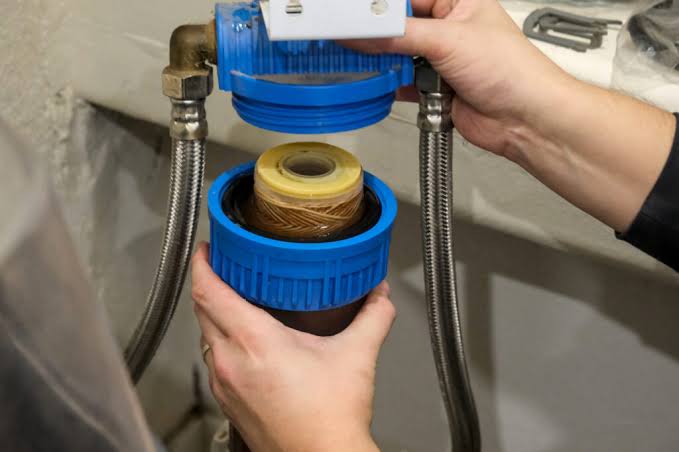
    Turned out to be a straightforward cause, thankfully — a filter cartridge way overdue for replacement, clogged enough to be genuinely restricting flow throughout the whole system. Getting proper whole house filtration repair in this case was mostly about replacement and a thorough system flush, plus a conversation about setting up a more consistent cartridge replacement schedule so I wouldn’t end up back in the same spot again. Apparently I’d been neglecting that particular maintenance task for way longer than I should have, which, in hindsight, tracked with basically everything else I’d learned about myself through this whole ordeal.

    What This Whole Rollercoaster Taught Me

    If there’s one real takeaway from my year of water system drama, it’s that these systems, despite all living somewhere in my house doing water-related jobs, are genuinely distinct pieces of equipment with different failure points, different maintenance needs, and sometimes different specialists best suited to fix them. I used to lump it all together mentally. I don’t anymore.

    If you’ve got multiple systems running in your home, my honest advice is don’t assume one problem means all your equipment is somehow connected or failing together. Each one’s living its own little mechanical life, quietly doing its job until it isn’t, and figuring out which one’s actually acting up — and who’s best suited to fix that specific thing — saves you a surprising amount of confusion down the line.