I sometimes joke that my house went through a whole “water rebellion” phase last year. Not all at once, thankfully — that would’ve been a genuinely rough month — but spaced out just enough that I ended up learning way more about repairing these systems than I ever expected to. Softener, reverse osmosis unit, whole-house filter, each one had its own little moment of drama over about eight months. Different problems, different fixes, different lessons every time.
Looking back, I think the most useful thing that came out of it wasn’t any single repair, it was realizing these three systems, even though they all live under my sink or basement doing water-related work, really don’t fail the same way or get fixed the same way either. Treating them as one big “water stuff” category, the way I used to, doesn’t really hold up once you’re actually dealing with something broken.
When the Softener Went First
The softener was the first domino, and honestly the one I felt most prepared for since I’d dealt with a minor issue before. This time it was different, though — water pressure dropping noticeably throughout the house, not just softness disappearing. Turned out to be a partially clogged resin bed, something that happens gradually as beads degrade over years of regeneration cycles.
Getting proper water softener repair meant more than just clearing the clog, which I appreciated once I understood the fuller picture. The technician also checked injector nozzles and the control valve while he was in there, catching some early wear that wasn’t causing problems yet but would’ve eventually turned into its own separate breakdown. Fixed the pressure issue, and apparently bought me a few more years before I’d need to think about resin replacement altogether.
Then the Reverse Osmosis Unit Got Weird
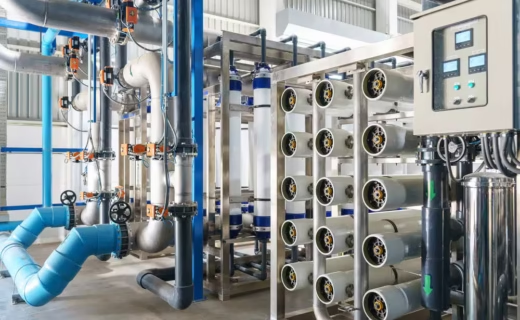
A few months later, my drinking water started tasting slightly off, kind of flat, not bad exactly but noticeably different from what I’d gotten used to. My first guess was the softener acting up again, but nope — turned out to be a completely separate system with its own separate problem, a membrane that had become less effective over time along with a clogged pre-filter I honestly hadn’t thought to check in ages.
This is where I learned that reverse osmosis repairs are kind of their own specialty within the broader field, requiring someone who actually understands membrane replacement schedules, pressure testing, and the particular quirks of that filtration method specifically. Not every water technician handles this the same way they’d handle a softener, which surprised me a little. The guy who fixed my softener referred me to a colleague who specialized more specifically in this stuff, and honestly, the distinction made sense once he explained the differences in how each system actually works internally.
And Finally, the Whole-House Filter Joined the Party
Last but not least, my whole-house filter decided to have its moment, this time showing up as a noticeable drop in water pressure across literally every faucet in the house, not just one isolated spot. That one was actually a little alarming at first, given how widespread the symptom felt compared to the more localized issues I’d dealt with before.
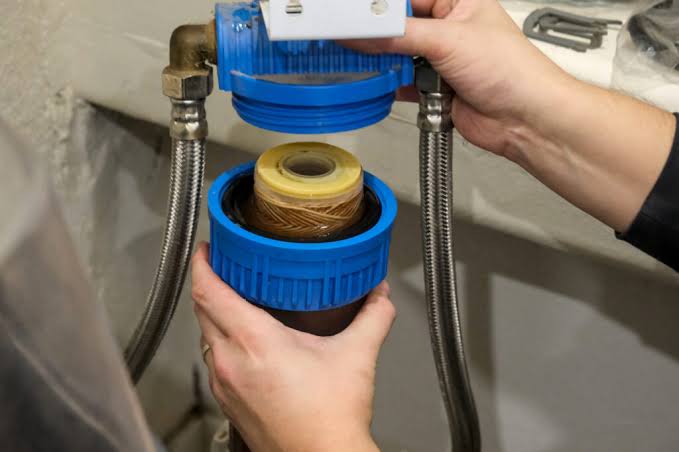
Turned out to be a straightforward cause, thankfully — a filter cartridge way overdue for replacement, clogged enough to be genuinely restricting flow throughout the whole system. Getting proper whole house filtration repair in this case was mostly about replacement and a thorough system flush, plus a conversation about setting up a more consistent cartridge replacement schedule so I wouldn’t end up back in the same spot again. Apparently I’d been neglecting that particular maintenance task for way longer than I should have, which, in hindsight, tracked with basically everything else I’d learned about myself through this whole ordeal.
What This Whole Rollercoaster Taught Me
If there’s one real takeaway from my year of water system drama, it’s that these systems, despite all living somewhere in my house doing water-related jobs, are genuinely distinct pieces of equipment with different failure points, different maintenance needs, and sometimes different specialists best suited to fix them. I used to lump it all together mentally. I don’t anymore.
If you’ve got multiple systems running in your home, my honest advice is don’t assume one problem means all your equipment is somehow connected or failing together. Each one’s living its own little mechanical life, quietly doing its job until it isn’t, and figuring out which one’s actually acting up — and who’s best suited to fix that specific thing — saves you a surprising amount of confusion down the line.