Buying a water treatment system is a significant step toward improving household water quality. However, choosing the equipment is only one part of the process. How it’s installed, operated, and maintained can make an enormous difference in the results you experience over time.
A poorly installed filtration system might restrict water pressure, while neglected equipment may gradually lose its treatment effectiveness. Unfortunately, these problems aren’t always immediately apparent.
The good news is that many common issues can be avoided through proper planning and consistent maintenance.
Whether you’re installing your first water treatment system or upgrading an existing arrangement, understanding the importance of professional workmanship and preventive care can help you get lasting value from your investment.
Building a Strong Foundation for Dependable Water Treatment
Every home has different plumbing arrangements, water consumption patterns, and treatment requirements. A system that works exceptionally well in one property might not deliver the same results in another.
Comprehensive water treatment system installation and maintenance helps ensure that equipment is selected, configured, and serviced according to the specific needs of the household.
Before installation begins, several factors deserve consideration. These include incoming water quality, available water pressure, household consumption, drainage requirements, and equipment accessibility.
Imagine purchasing a sophisticated filtration system only to discover that it cannot maintain adequate water flow during busy mornings when several family members are getting ready for work or school.
Proper planning can help prevent such inconveniences.
Maintenance requirements should also be considered before purchasing equipment. Some systems require frequent cartridge replacements, while others need periodic media servicing or salt replenishment.
Understanding these responsibilities from the beginning allows homeowners to choose equipment that fits both their lifestyle and budget.
Why Professional Installation Makes a Meaningful Difference
With countless online tutorials available, installing water treatment equipment yourself might seem like an attractive way to save money. However, connecting specialized equipment to household plumbing can involve challenges that aren’t immediately obvious.
Investing in professional water filtration installation can help ensure that treatment components are correctly positioned, plumbing connections are secure, and operating conditions are suitable for effective performance.
A qualified technician can assess whether equipment should be installed near the main water supply or at a dedicated outlet, depending on the treatment objectives.
The correct arrangement of filtration stages is equally important.
For instance, sediment removal may need to occur before water reaches sensitive membrane equipment. Appropriate pretreatment can help protect downstream components from premature clogging or deterioration.
A technician can also evaluate potential pressure losses and ensure that equipment remains accessible for future servicing.
Once installation is complete, homeowners should receive clear instructions regarding normal operation, maintenance schedules, and any important equipment limitations.
A successful installation shouldn’t leave you wondering how to manage your new system.
Developing Simple Habits That Preserve System Performance
It’s easy to forget about filtration equipment when everything appears to be working normally. After all, most treatment systems operate quietly in utility rooms, garages, or beneath kitchen sinks.
Consistent water treatment system care helps preserve treatment effectiveness, reduce avoidable equipment problems, and maintain dependable operation throughout the system’s useful life.
Different technologies require different forms of attention.
Sediment filters can become clogged with accumulated particles. Activated carbon eventually reaches its adsorption capacity, while reverse osmosis membranes may require periodic replacement.
Water softeners also need appropriate salt levels and correctly configured regeneration settings.
Keeping a simple maintenance calendar can make these responsibilities easier to manage.
Rather than guessing when a filter was last replaced, you’ll have a reliable record of servicing dates.
It’s also important to follow equipment manufacturer recommendations instead of relying exclusively on general maintenance advice.
A household with substantial water consumption may experience different servicing requirements from a smaller property using relatively little water.
Recognizing Early Warning Signs of Equipment Problems
Water treatment systems don’t always fail suddenly. Sometimes, declining performance becomes noticeable through gradual changes in everyday water use.
Perhaps your kitchen faucet delivers water more slowly than usual. You might notice an unpleasant taste returning or discover mineral deposits around fixtures that previously remained relatively clean.
Other warning signs worth investigating include:
- Unexpected changes in water pressure.
- Unusual noises coming from treatment equipment.
- Visible leaks around plumbing connections.
- Excessive salt or water consumption.
- Recurring sediment or discoloration.
These symptoms don’t necessarily indicate that the entire system needs replacing.
A clogged cartridge, incorrect setting, or malfunctioning component could be responsible.
Arranging a professional inspection can help identify the underlying problem before it develops into a more expensive concern.
Protecting Your Investment Through Preventive Maintenance
Most homeowners would rather pay for routine servicing than face an unexpected equipment replacement.
Preventive maintenance provides an opportunity to identify deteriorating components, evaluate operating settings, and address minor problems before they become more disruptive.
Consider a sediment filter that hasn’t been replaced for an extended period. As particles accumulate, water flow may become restricted, affecting the performance of the overall treatment arrangement.
Replacing the filter at an appropriate interval could prevent unnecessary inconvenience.
Periodic inspections can also help identify inefficient operating conditions that contribute to excessive resource consumption.
Although maintenance involves some expense, it may help reduce avoidable repair costs and preserve the value of your original investment.
Verifying Water Quality After Installation
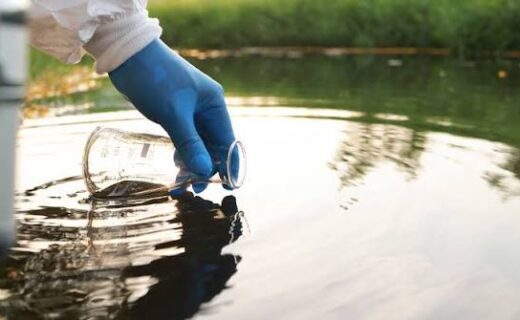
Installing filtration equipment doesn’t automatically confirm that every identified contaminant has been adequately addressed.
Appropriate follow-up testing can help verify treatment performance and determine whether adjustments are necessary.
This is particularly important when equipment is intended to address potentially harmful chemical or microbial contaminants.
Remember that improved taste, appearance, and odor alone cannot establish drinking water safety.
Regular testing, combined with manufacturer-recommended servicing, provides a more reliable foundation for continued treatment effectiveness.
Enjoying the Long-Term Benefits of a Properly Maintained System
A dependable water treatment system should make everyday living easier, not introduce unnecessary complications.
Thoughtful equipment selection, professional installation, and manageable maintenance habits can help homeowners enjoy consistent water quality while protecting their plumbing investments.
Whether your primary concern involves drinking water taste, excessive hardness, or specific contaminants, taking care of your equipment is just as important as choosing it.
Better water doesn’t happen by accident. It comes from informed decisions, quality workmanship, and consistent attention to the systems that support your household every day.