
Not every legal case can be solved by eyewitness testimony or a stack of documents. Sometimes the most important questions involve science, engineering, environmental regulations, or technical investigations that fall well outside the knowledge of the average person. That’s when expert witnesses step in—not to decide the outcome, but to explain complicated facts in a way that’s accurate, balanced, and understandable.
As industries become more advanced and regulations continue to evolve, legal disputes naturally become more technical as well. Attorneys, judges, and juries often need someone who can bridge the gap between highly specialized information and everyday understanding. The right expert doesn’t simply offer an opinion; they provide context, explain methodology, and help everyone involved see the bigger picture.
Why Technical Knowledge Matters in Modern Litigation
Think about how much our daily lives rely on technology, infrastructure, manufacturing, transportation, and environmental standards. When disputes arise in these areas, the evidence often includes engineering reports, laboratory testing, inspection records, digital data, or regulatory documents that require years of professional experience to interpret correctly.
A judge may understand legal principles exceptionally well, but that doesn’t automatically translate into expertise in structural engineering or chemical analysis. Likewise, jurors bring valuable life experience to the courtroom, yet they aren’t expected to understand every technical discipline involved in a lawsuit.
That’s precisely why expert witnesses remain an essential part of today’s legal process. Their role is educational as much as analytical, helping courts evaluate evidence with greater confidence.
Looking Beyond What Happened
One of the biggest misconceptions about expert testimony is that experts simply explain what occurred. In reality, they often answer much deeper questions.
How did it happen?
Why did it happen?
Could it have been prevented?
Did the parties involved follow accepted professional standards?
These are questions that frequently require detailed investigation rather than assumptions. Strong expert opinions rely on evidence, recognized methodologies, and years of real-world experience—not speculation.
The ability to explain complicated findings in clear language is often what separates an average expert from an exceptional one.
Reconstructing Events Through Science
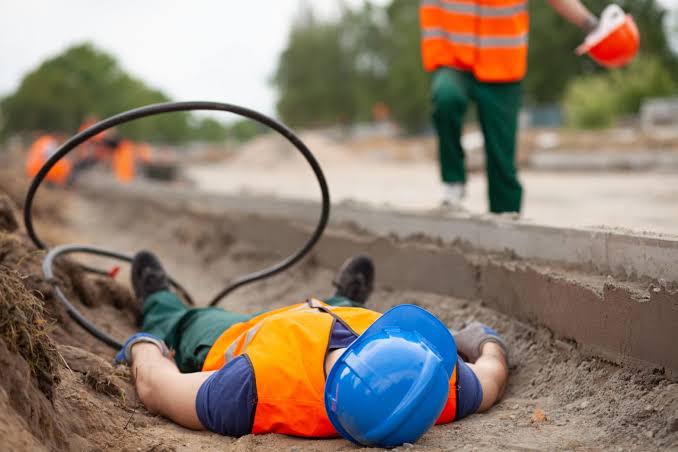
Vehicle collisions, industrial incidents, workplace accidents, and transportation disputes rarely leave behind perfectly clear answers. Witness memories can differ, physical evidence may be incomplete, and multiple factors often contribute to a single event.
That’s where accident reconstruction becomes incredibly valuable.
Specialists analyze skid marks, vehicle damage, surveillance footage, roadway conditions, electronic data, weather reports, and countless other variables to determine how an incident most likely unfolded. Rather than relying on assumptions, they use engineering principles and scientific analysis to recreate the sequence of events.
This careful process helps attorneys and courts evaluate competing claims using objective evidence instead of conflicting recollections.
Environmental Cases Demand Specialized Insight
Environmental disputes are becoming increasingly common as regulations evolve and businesses face growing responsibilities regarding sustainability, public safety, and resource management.
Whether the issue involves groundwater contamination, hazardous materials, air quality, land use, or regulatory compliance, these cases often require a detailed understanding of scientific data alongside legal standards.
Professionals with expertise in environmental law help explain technical reports, interpret environmental regulations, and clarify how industry practices align with applicable requirements. Their analysis often combines scientific evidence with practical regulatory knowledge, making complicated environmental issues easier for courts to evaluate.
Given the complexity of modern environmental regulations, that expertise can significantly improve the quality of legal decision-making.
Experience Brings Practical Perspective
Formal education certainly provides an important foundation, but experience often tells the rest of the story.
Experts who have spent years solving real problems in their industries understand challenges that rarely appear in textbooks. They’ve managed projects, investigated failures, supervised teams, navigated regulations, and made difficult decisions under real-world conditions.
That practical perspective allows them to evaluate evidence more realistically while identifying details that others might overlook.
Just as importantly, experienced experts know how to communicate their conclusions without unnecessary technical jargon. Clear explanations tend to be far more persuasive than complicated presentations filled with specialized terminology.
Product Safety Isn’t Always Simple
Consumers naturally expect products to perform safely when used as intended. Yet determining whether a product actually failed—or whether another factor contributed to an injury—can involve extensive investigation.
This is where product liability experts play a crucial role.
They evaluate product design, manufacturing processes, warning labels, quality control procedures, applicable safety standards, and testing documentation. In many situations, they also examine whether the product met accepted industry practices or whether design alternatives were reasonably available.
Rather than focusing on assumptions or emotions, these experts rely on engineering analysis, laboratory testing, and established safety principles to support their conclusions.
Their objective evaluations often become central pieces of evidence during litigation.
Objectivity Strengthens Every Opinion
One quality consistently shared by respected expert witnesses is independence.
Courts value testimony that acknowledges limitations, explains uncertainties honestly, and bases conclusions on verifiable evidence. Experts who appear overly committed to one side risk undermining their own credibility, regardless of their qualifications.
The strongest testimony is usually calm, balanced, and carefully supported by facts.
Good experts don’t try to “win” cases. Instead, they help decision-makers better understand complicated issues so legal conclusions can be reached fairly.
That distinction is incredibly important.
Preparation Begins Long Before Trial
Many people imagine expert witnesses appearing only during courtroom testimony, but much of their most valuable work happens behind the scenes.
Experts review thousands of pages of documents, inspect physical evidence, analyze technical records, prepare written reports, participate in depositions, and consult with attorneys throughout the litigation process.
Early involvement often allows legal teams to identify strengths, weaknesses, and unanswered questions well before trial begins. In some situations, thorough expert analysis even encourages settlement by clarifying technical issues before they become contested in court.
That proactive approach saves both time and resources while improving overall case preparation.
Clear Expertise Creates Better Legal Outcomes
As legal disputes continue to involve increasingly specialized industries, expert witnesses remain one of the most valuable resources available to attorneys and courts alike.
Whether reconstructing complex accidents, interpreting environmental regulations, evaluating product safety, or explaining highly technical evidence, their role goes far beyond offering opinions. They provide clarity where confusion exists and replace speculation with informed analysis.
Ultimately, the goal of expert testimony isn’t to overwhelm people with technical language. It’s to make complicated subjects understandable without sacrificing accuracy. When knowledge is communicated clearly, evidence becomes more meaningful, legal arguments become stronger, and courts are better equipped to reach fair, informed decisions based on the facts that truly matter.
