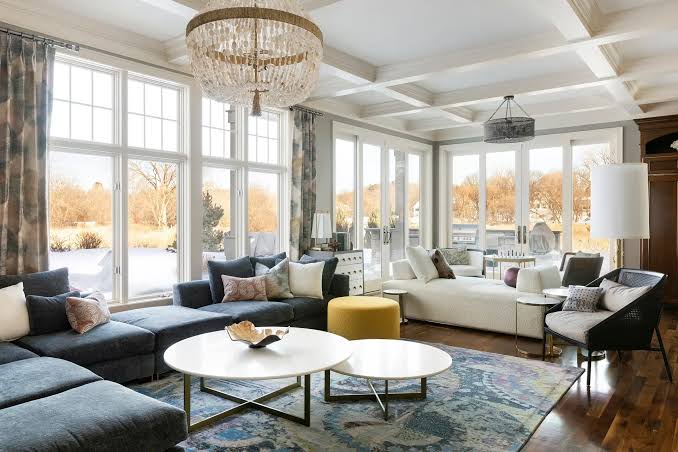
A home doesn’t become special simply because the furniture is beautiful or every room follows the latest trend. It becomes special through the small things that make everyday life feel comfortable: a favorite chair beside a sunny window, a kitchen that brings people together, or a quiet corner where you can finally sit down with a book. These details may seem ordinary, but they’re often what make a house feel unmistakably like home.
Creating that kind of space takes more than choosing attractive finishes. It requires a little curiosity, honest conversations, and a willingness to look beyond what a room should look like in a photograph. The most rewarding interiors reflect the people who live in them, their habits, their memories, and the way they want to spend their time.
For homeowners considering a renovation or a completely new direction, the process can feel exciting and uncertain in equal measure. There may be dozens of ideas competing for attention, along with practical questions about cost, timing, and what is actually possible. A thoughtful design approach helps bring those pieces together without losing the personal character that made the project meaningful in the first place.
Start With the Life You Want to Live
Before thinking about paint colors or furniture styles, consider how you use your home right now. Where does everyone naturally gather? Which room feels peaceful, and which one never seems to work quite as well as it should? Perhaps the dining table has become a place for homework and unopened mail, or the living room looks lovely but offers nowhere comfortable to put your feet up.
These everyday observations provide valuable clues. A household that entertains frequently may need generous seating and an easy connection between the kitchen and living areas. Someone who works from home might benefit from a dedicated workspace with good lighting and enough storage to keep work separate from personal life. Families with young children may appreciate durable materials that can handle spills without sacrificing style.
The point isn’t to create a perfect home for an imaginary version of your life. It’s to make the home you have—or the one you’re planning—work better for the way you actually live. Once those priorities become clear, design decisions tend to feel more purposeful.
Why a Personal Approach Makes a Difference
Interior design can be full of inspiration, but too much of it can become confusing. One week, a particular shade of green seems essential; the next, every room you see online has warm neutrals and natural wood. Trends can introduce useful ideas, yet following them too closely may leave a home feeling disconnected from its owners.
A more considered approach begins with personal preferences and builds from there. That doesn’t mean every room needs to display a collection of hobbies or family photographs. Sometimes personality appears through a carefully chosen artwork, a treasured antique, or the contrast between a clean architectural line and a soft, well-worn textile.
At julian design, the idea of a thoughtfully designed home can begin with understanding those individual preferences rather than applying a single look to every project. Good design should make room for personal expression while maintaining a sense of balance. It should also consider practical matters, because beauty loses some of its appeal when everyday routines become unnecessarily difficult.
A home can be refined without feeling formal, and comfortable without looking unfinished. Finding that middle ground is often where the most interesting design work happens.
Bringing Ideas Together Without Losing Their Character
Many homeowners arrive at the design process with a mixture of references. There might be a kitchen saved from a magazine, a hotel bedroom remembered from a holiday, and a living room admired at a friend’s house. Each image may appeal for a different reason, and that’s perfectly normal.
The challenge is identifying the qualities that connect those ideas. Perhaps the common thread is natural light, understated materials, or a preference for spaces that feel open without being stark. Once those patterns emerge, the design can develop a clearer direction.
This is where custom interiors can offer meaningful flexibility. Rather than forcing a room into a standard arrangement, a tailored approach considers its proportions, architectural features, storage needs, and intended use. A built-in cabinet might make better use of an awkward alcove than a freestanding piece. A thoughtfully positioned light could turn a forgotten corner into a comfortable reading spot.
Custom solutions don’t always need to be elaborate or expensive. Sometimes a small adjustment to a layout, a better choice of dimensions, or a more suitable material can improve a room considerably. The aim is not to make everything unusual for the sake of it; it’s to make the space feel right.
Balancing Beauty With Everyday Practicality
One of the most common design mistakes is treating appearance and function as separate concerns. In reality, they influence each other all the time. A hallway needs enough room for people to pass comfortably. A kitchen requires useful work surfaces and lighting that makes food preparation easier. A bedroom should support rest, with storage that keeps clutter from taking over.
Materials deserve careful thought, too. A pale fabric may look beautiful in a rarely used formal room, but a busy family living area may call for a more forgiving option. Natural stone can add depth and character, while timber brings warmth, though both require consideration of maintenance and the conditions in which they’ll be used.
Lighting is another element that can quietly change the experience of a home. A single overhead fixture rarely creates the right atmosphere for every activity. Combining general lighting with task lights and softer accent lighting gives rooms greater flexibility. In the evening, that difference can be especially noticeable.
These practical choices aren’t compromises. When they’re handled well, they’re part of what makes a room beautiful in the first place.
Making the Design Process Feel More Manageable
A home project can involve a surprising number of decisions, from the broad layout to the smallest hardware detail. Trying to make all of them at once can quickly become exhausting. A clear process helps separate the important decisions from those that can wait.
Start by establishing the project’s priorities, scope, and budget. Then consider the larger elements, such as layout, lighting, and major materials, before moving into decorative details. This order makes it easier to understand how one choice affects another and reduces the risk of purchasing items that later prove unsuitable.
Communication matters throughout the process. Homeowners should feel comfortable asking questions, discussing concerns, and explaining when something doesn’t feel right. A collaborative relationship makes it easier to solve problems and adjust plans when circumstances change.
If you’re ready to explore possibilities for your own home, begin the conversation with a clear idea of what you hope to improve, even if the solution isn’t obvious yet. You don’t need a complete plan or a folder full of inspiration images. A few honest observations about what works, what doesn’t, and what you would love to experience differently are enough to start.
A Home Should Feel Right Long After the Work Is Finished
The best interiors don’t rely on a single dramatic feature or a collection of fashionable purchases. They develop through a series of thoughtful decisions that support daily life and remain meaningful over time. Some choices may be bold, others almost invisible, but each should have a reason for being there.
A home will change as its owners change. Children grow, routines shift, interests evolve, and rooms take on new purposes. Designing with flexibility in mind allows a space to adapt without losing its character.
Ultimately, a successful home is not one that impresses everyone who walks through the door. It’s one that welcomes you back at the end of a long day and feels comfortable in a way that’s difficult to explain but easy to recognize. With thoughtful planning, personal choices, and a little patience, design can do more than transform rooms. It can make everyday life feel more considered, more comfortable, and a little more like your own.